The Book of Documents
Overview
The Book of Documents, also known as Shangshu, is one of the "Five Classics" of Confucianism and is a foundational text in Chinese literature and political philosophy. The text is a collection of prose attributed to the rulers and political figures of early Chinese history. Though it was thought to have been compiled during the Western Zhou Dynasty, wars and sabotage disrupted transmission of the classic around the time of Qinshihuang. Many of the chapters people see today are based on later oral accounts.
The Book of Documents has been revered throughout Chinese history as a cornerstone of Confucian thought and political philosophy, serving as an essential guide for governance and moral conduct.
Historical Context
The significance of the Book of Documents lies in its portrayal of the political ideologies, moral principles, and governance strategies of ancient Chinese rulers. The collection includes proclamations, speeches, and administrative directives from the Shang and Zhou dynasties (c.16th century-256 BC), which are believed to have been orally transmitted before being recorded. The compilation of the text was driven by the need to preserve these teachings and ensure they could be handed down to future generations.
The importance of the Book of Documents is underscored by the role it played in shaping the political philosophy of China. It is regarded as a critical text for understanding the development of early Chinese statecraft, as well as the ethical and moral considerations that were emphasized during the reigns of these early rulers.
Content and Themes
The Book of Documents is organized into several sections, each attributed to different rulers and historical periods. The themes within the text include governance, morality, and the responsibilities of rulers toward their subjects. It highlights the importance of virtuous leadership, the role of law and order, and the moral duties of those in power to foster prosperity and justice for their people.
One of the key themes is the concept of the Mandate of Heaven, which posits that the legitimacy of a ruler is granted by a higher divine power and is contingent upon their moral conduct and ability to govern justly. This idea became a fundamental principle in Chinese political thought, influencing the dynastic cycle and the justification for the rise and fall of rulers.
Influence and Legacy
The Book of Documents has had a profound impact on Chinese culture and has been regarded as a classic text that shaped the evolution of Chinese civilization. Its teachings have permeated various aspects of Chinese life, from literature and education to governance and societal norms. The text has been studied and revered by scholars, politicians, and philosophers throughout Chinese history.
The legacy of the Book of Documents extends beyond China, as it has been translated into numerous languages and has become a subject of study in the fields of philosophy, history, and political science. Its emphasis on moral governance and ethical leadership continues to resonate with contemporary discussions on political responsibility and leadership ethics.
Modern Interpretations and Adaptations
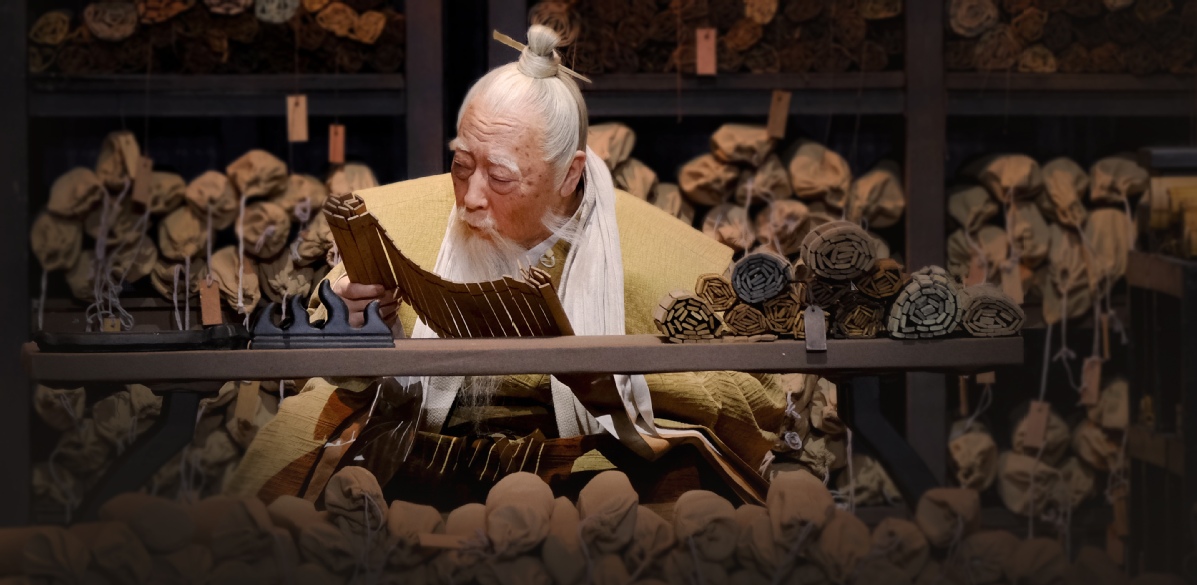
In recent years, the Book of Documents has gained renewed attention through adaptations in popular media and cultural programs. For instance, the story of Fu Sheng, a scholar who preserved the text amidst wars and social upheavals, was adapted into a stage play for the Chinese television program China in the Classics. This adaptation sought to connect modern audiences with the historical and cultural significance of the text, highlighting the resilience and dedication required to preserve a nation's cultural heritage.
The narrative of the Book of Documents has also been explored through various creative and educational initiatives aimed at revitalizing traditional culture and instilling it with modern relevance. These efforts underscore the enduring appeal and significance of the text, as it continues to inspire new generations to explore and appreciate the richness of China's historical and cultural legacy. Article reference1. Classic Chinese tales thrive in modern times. chinadaily.com.cn. 20212. Last year's net gains. chinadaily.com.cn. 2020Photo Gallery(2 pictures)CategoriesLiteratureTagChinese Classical LiteratureRelatedBamboo, a symbol of traditional Chinese valuesCatalogue1. Overview2. Historical Context3. Content and Themes4. Influence and Legacy5. Modern Interpretations and Adaptations- - - []








